In today's hyperconnected world, achieving quality sleep has become increasingly challenging. From the constant buzz of technology to the glow of screens, our sleep patterns are deeply affected. Let's delve into the strategies and solutions for optimizing sleep in this digital age.
As we navigate the realm of technology and its impact on our sleep, it's crucial to understand the dynamics at play and how we can adapt to ensure a restful night's sleep.
Introduction to Sleep Optimization in a Hyperconnected Lifestyle
Sleep optimization refers to the process of enhancing the quality and duration of sleep to improve overall health and well-being. In a hyperconnected lifestyle characterized by constant access to technology and information, achieving optimal sleep can be challenging.
Challenges of Maintaining Quality Sleep
In a hyperconnected world, individuals often struggle to disconnect from their devices, leading to disrupted sleep patterns. The blue light emitted by screens can interfere with the production of melatonin, a hormone that regulates sleep. Additionally, the constant notifications and alerts from smartphones and other gadgets can create a state of perpetual alertness, making it difficult to unwind and fall asleep.
Importance of Addressing Sleep Issues in a Technology-Driven World
Poor sleep quality has been linked to a variety of health problems, including increased risk of chronic conditions such as obesity, diabetes, and cardiovascular disease. In a technology-driven society where individuals are constantly connected, prioritizing sleep is essential for maintaining cognitive function, emotional well-being, and overall productivity.
By addressing sleep issues and optimizing sleep habits, individuals can improve their quality of life and reduce the negative impact of a hyperconnected lifestyle.
Understanding the Impact of Technology on Sleep
As technology continues to advance, its impact on our sleep patterns has become increasingly evident. From smartphones to laptops, various devices have the potential to disrupt our natural sleep cycles.
Common Technologies that Disrupt Sleep Patterns
- Smartphones: The blue light emitted by smartphones can interfere with the production of melatonin, making it harder to fall asleep.
- Laptops and Tablets: Similar to smartphones, the blue light emitted by screens on laptops and tablets can disrupt the body's internal clock.
- Televisions: Watching TV late at night can overstimulate the brain, making it difficult to relax and fall asleep.
Effects of Blue Light Exposure on Sleep Quality
Blue light exposure from screens has been shown to suppress the production of melatonin, the hormone responsible for regulating sleep-wake cycles. This can lead to difficulty falling asleep and result in poor sleep quality overall.
Constant Connectivity and the Brain's Ability to Unwind
Constant connectivity through devices like smartphones and laptops can keep the brain in a state of alertness, making it harder for the brain to unwind and prepare for sleep. The constant influx of information and notifications can prevent the brain from entering a relaxed state conducive to falling asleep.
Strategies for Improving Sleep in a Hyperconnected World
In today's hyperconnected world, where technology is pervasive, it can be challenging to get a good night's sleep. However, by implementing certain strategies, you can optimize your sleep and improve your overall well-being.
Tips for Creating a Tech-Free Bedtime Routine
Creating a tech-free bedtime routine is essential for improving sleep quality. Here are some tips to help you disconnect from technology before bedtime:
- Avoid screens at least an hour before bed: The blue light emitted from screens can interfere with your body's production of melatonin, making it harder to fall asleep.
- Read a book or practice relaxation techniques: Engaging in calming activities can help signal to your body that it's time to wind down and prepare for sleep.
- Create a relaxing environment: Make your bedroom a tech-free zone by removing electronic devices and creating a peaceful atmosphere conducive to sleep.
The Benefits of Establishing a Consistent Sleep Schedule
Establishing a consistent sleep schedule can have numerous benefits for your overall health and well-being. Here's why maintaining a regular bedtime and wake-up time is crucial:
- Regulates your body's internal clock: Consistency helps regulate your circadian rhythm, making it easier to fall asleep and wake up naturally.
- Improves sleep quality: By sticking to a consistent sleep schedule, you can optimize the quality of your sleep and wake up feeling more refreshed.
- Enhances overall health: Adequate and consistent sleep is linked to improved cognitive function, mood, and overall health.
Relaxation Techniques to Combat the Impact of Technology on Sleep
Combatting the impact of technology on sleep requires incorporating relaxation techniques into your daily routine. Here are some effective relaxation techniques to help you unwind and prepare for a restful night's sleep:
- Practice deep breathing exercises: Deep breathing can help calm your mind and body, reducing stress and promoting relaxation.
- Try mindfulness meditation: Mindfulness meditation can help you focus on the present moment and alleviate anxiety, aiding in better sleep.
- Progressive muscle relaxation: This technique involves tensing and relaxing different muscle groups to release tension and promote physical relaxation before bedtime.
Utilizing Wearable Technology for Sleep Tracking and Improvement
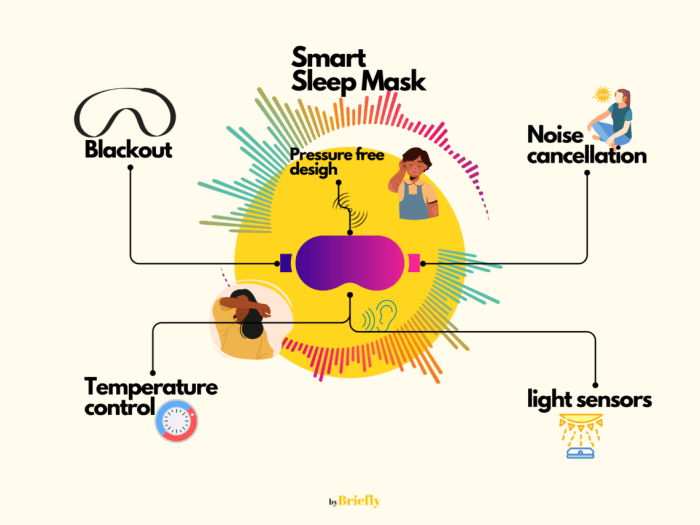
Wearable technology has revolutionized the way we monitor and improve our sleep patterns. With the availability of popular sleep tracking devices in the market, individuals now have access to valuable insights that can help optimize their sleep quality.
Popular Sleep Tracking Devices
- Fitbit:Fitbit offers a range of devices that track sleep stages, heart rate, and provide personalized insights to improve sleep quality.
- Apple Watch:The Apple Watch includes features like the Sleep app, which tracks sleep duration and quality, helping users establish a bedtime routine.
- Oura Ring:The Oura Ring is a sleek wearable that tracks sleep stages, heart rate variability, and provides actionable recommendations for better sleep.
Benefits of Wearable Technology for Sleep Optimization
- Wearable devices provide real-time data on sleep patterns, allowing individuals to identify trends and make adjustments to their routines.
- By tracking metrics such as sleep duration, quality, and disturbances, wearable technology can help users understand their sleep habits and make informed decisions for improvement.
- Some devices offer features like sleep score calculations and personalized recommendations, guiding users towards healthier sleep practices.
Role of Data Analytics in Sleep Improvement
-
Data analytics plays a crucial role in transforming raw sleep data into actionable insights.
- By analyzing sleep patterns over time, data analytics can identify correlations between lifestyle factors and sleep quality, empowering individuals to make targeted changes.
- Insights derived from data analytics can help users establish consistent sleep routines, identify triggers that affect sleep, and measure the effectiveness of interventions.
Closing Notes
As we wrap up our discussion on sleep optimization in a hyperconnected lifestyle, remember that small changes in our routines can lead to significant improvements in our sleep quality. By being mindful of our tech usage and implementing effective strategies, we can pave the way for better rest and overall well-being.
FAQ
How can I create a tech-free bedtime routine?
To create a tech-free bedtime routine, start by setting a specific time to disconnect from all devices, engage in calming activities like reading or meditating, and ensure your bedroom is a technology-free zone to signal to your brain that it's time to unwind.
Why is establishing a consistent sleep schedule important?
Establishing a consistent sleep schedule helps regulate your body's internal clock, making it easier to fall asleep and wake up at the same time each day. This consistency reinforces your circadian rhythm, promoting better sleep quality.
How can wearable technology help improve sleep patterns?
Wearable technology can track your sleep patterns, providing insights into your sleep quality and identifying areas for improvement. By analyzing this data, you can make informed decisions to optimize your sleep hygiene and overall well-being.