Exploring the impact of interior lighting on room perception opens up a world of possibilities. Dive into the realm of lighting choices that can transform the mood and ambiance of any space, offering insights into the fascinating interplay between light and human perception.
Delve into the nuances of different lighting options and how they can influence our understanding of a room's character and atmosphere.
Importance of Interior Lighting in Room Perception
Interior lighting plays a crucial role in shaping the perception of a room. The way a space is illuminated can greatly affect its ambiance, mood, and overall feel. Different lighting choices have the power to transform a room from cozy and inviting to cold and sterile, depending on the intensity, color, and placement of the lights.
Impact on Mood and Ambiance
Interior lighting can drastically alter the mood and ambiance of a room. For example, soft, warm lighting from table lamps or sconces can create a cozy and intimate atmosphere perfect for relaxing or entertaining guests. On the other hand, bright, overhead lighting can make a space feel more open and energetic, ideal for areas like kitchens or home offices.
Psychological Effects on Perception and Behavior
The psychological effects of lighting on human perception and behavior are well-documented. Natural light, for instance, has been shown to improve mood, increase productivity, and even regulate sleep patterns. Conversely, harsh artificial light can cause eye strain, fatigue, and negatively impact overall well-being.
Types of Interior Lighting Options
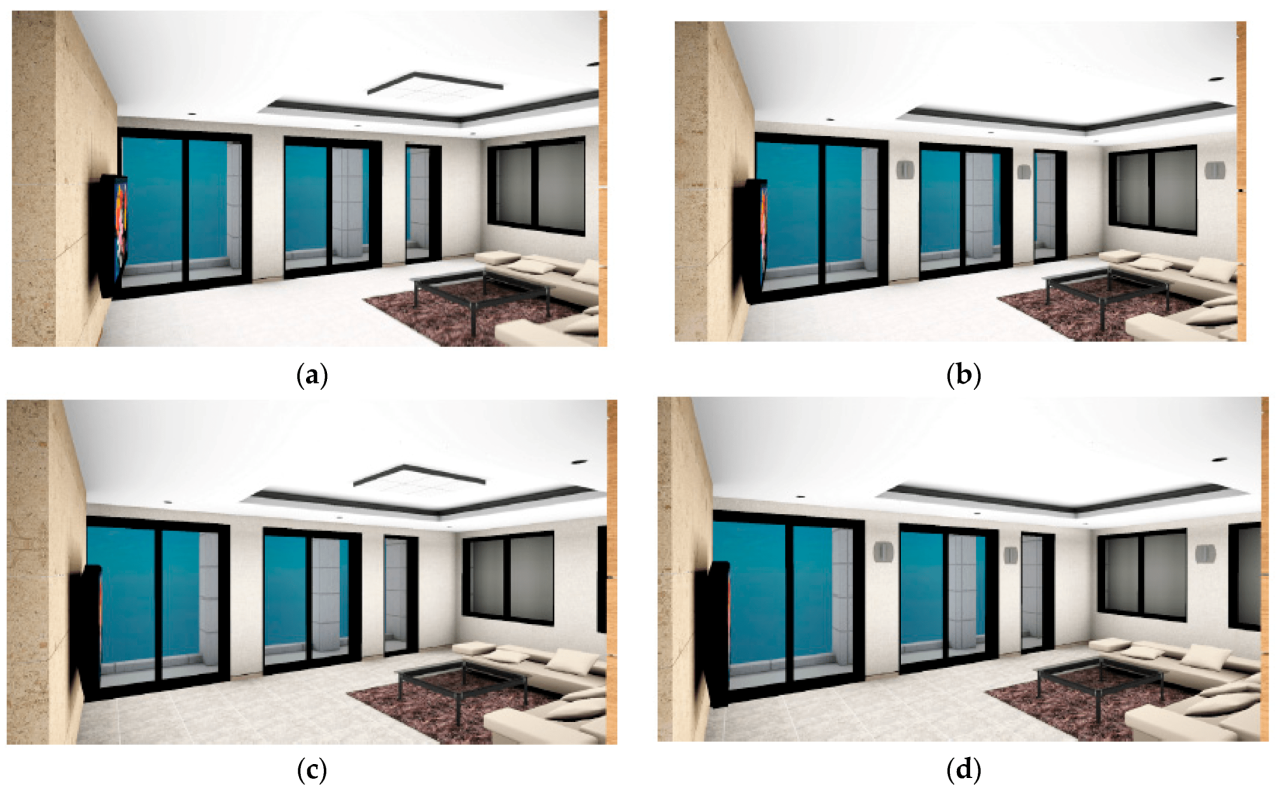
When it comes to interior lighting, there are various options available to enhance the perception of a room. Each type of lighting serves a specific purpose and can create different atmospheres within a space.
Ambient Lighting
Ambient lighting is the primary source of light in a room and provides overall illumination. It can be achieved through ceiling-mounted fixtures, wall sconces, or track lighting. Ambient lighting is best utilized in living rooms, bedrooms, and dining rooms to create a warm and inviting atmosphere.
Task Lighting
Task lighting is focused on a specific area to provide adequate light for activities such as reading, cooking, or working. Desk lamps, under-cabinet lighting, and pendant lights are common examples of task lighting. Task lighting is ideal for home offices, kitchens, and study areas where directed light is needed.
Accent Lighting
Accent lighting is used to highlight specific features or objects in a room, such as artwork, architectural details, or plants. This type of lighting adds depth and visual interest to a space. Track lighting, wall-mounted fixtures, and recessed lights are often used for accent lighting.
It is commonly seen in galleries, museums, and upscale retail stores to draw attention to focal points.
Natural Light vs. Artificial Lighting
Natural light from windows or skylights can significantly impact the perception of a room by creating a sense of openness and connection to the outdoors. It can also change throughout the day, affecting the mood and atmosphere of a space.
On the other hand, artificial lighting allows for more control over the intensity and color temperature of light, making it easier to adjust the ambiance according to the desired effect.
Color Temperature and Brightness
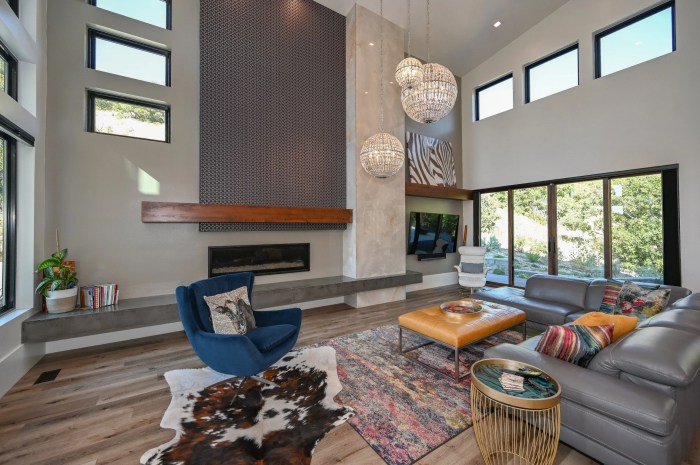
Color temperature and brightness play a crucial role in setting the mood and ambiance of a room. Understanding how these factors influence the overall perception of a space can help you make informed decisions when choosing interior lighting.
Color Temperature
Color temperature refers to the warmth or coolness of the light emitted by a bulb, measured in Kelvin (K). Warmer color temperatures (below 3000K) produce a cozy and inviting atmosphere, ideal for areas like living rooms and bedrooms. On the other hand, cooler color temperatures (above 4000K) create a bright and energizing environment, perfect for task-oriented spaces like kitchens and home offices.
Brightness Levels
The brightness of a light source is measured in lumens, indicating the amount of light emitted. Higher lumens result in brighter illumination, while lower lumens offer a softer glow. Adjusting the brightness levels can significantly impact the mood and functionality of a room.
Dimmer lights are suitable for creating a relaxed ambiance in areas like dining rooms or bedrooms, while brighter lights are essential for workspaces or areas that require good visibility.
Selecting the Right Color Temperature and Brightness
When choosing interior lighting, consider the function of the room to determine the appropriate color temperature and brightness levels. For example, warm, dim lighting is ideal for creating a cozy atmosphere in the bedroom, while cool, bright lighting is more suitable for a productive workspace.
Experimenting with different combinations can help you find the perfect balance for each room in your home.
Lighting Fixtures and Placement
When it comes to interior lighting, the choice of fixtures and their placement can significantly impact the aesthetics and perception of a room. Different lighting fixtures, such as chandeliers, sconces, and recessed lights, offer unique ways to illuminate a space and create a desired ambiance.
Impact of Lighting Fixtures on Room Aesthetics
- Chandeliers: These grand lighting fixtures can serve as a focal point in a room, adding elegance and luxury to the space. They work well in dining rooms, entryways, or living rooms.
- Sconces: Wall-mounted sconces provide ambient or task lighting, depending on their design. They can accentuate architectural features or artwork, adding depth and visual interest to a room.
- Recessed Lights: These fixtures are installed into the ceiling, offering a clean and minimalist look. They provide overall illumination and can be used to highlight specific areas like a kitchen island or a reading nook.
Enhancing Room Perception through Strategic Placement
- Consider the function of the room: Determine whether the lighting fixture will provide ambient, task, or accent lighting based on the room's purpose.
- Play with heights and angles: Varying the heights of lighting fixtures can create visual interest and dimension in a room. Mixing different types of fixtures at various heights can add depth to the space.
- Highlight focal points: Place lighting fixtures strategically to draw attention to key elements in the room, such as artwork, architectural details, or furniture pieces.
Last Point
As we conclude our exploration of interior lighting choices, remember that the right lighting can truly redefine how we experience a room. From color temperature to fixture placement, each decision plays a crucial role in shaping our perception of space.
Key Questions Answered
How does color temperature affect room perception?
Color temperature can evoke different emotions and moods in a room. Warmer tones create a cozy atmosphere, while cooler tones can make a space feel more vibrant and modern.
What impact does fixture placement have on room aesthetics?
Strategically placing fixtures can highlight architectural features, create focal points, and enhance the overall visual appeal of a room. It's essential to consider both functionality and aesthetics when placing lighting fixtures.
Is natural light always better than artificial lighting for room perception?
While natural light has its benefits, artificial lighting offers more control over brightness and color temperature. The key is to strike a balance between natural and artificial light to achieve the desired ambiance.