Embark on a journey through the realm of Interior Innovations Inspired by Japanese Minimalism, where traditional aesthetics meet contemporary design to create harmonious living spaces that exude simplicity and tranquility.
As we delve deeper into the core principles and innovative elements of Japanese minimalism, a world of minimalist color schemes, multi-functional design solutions, and Zen-inspired interiors will unfold before your eyes.
Japanese Minimalism in Interior Design
Japanese minimalism in interior design is characterized by simplicity, functionality, and a deep connection to nature. The core principles of Japanese minimalism focus on creating a sense of calm and tranquility through clean lines, open spaces, and natural elements.
Space
In Japanese minimalism, space is a crucial element in interior design. Rooms are often kept open and uncluttered to create a sense of tranquility and harmony. Furniture is carefully selected to maximize space and enhance the flow of energy throughout the room.
Color
Color palettes in Japanese minimalism are typically neutral and earthy tones such as whites, beiges, browns, and greens. These colors create a sense of serenity and simplicity, allowing natural light to fill the space and highlight the beauty of natural materials like wood and stone.
Furniture Choices
Furniture in Japanese minimalism is functional, simple, and often low to the ground. Pieces are chosen for their clean lines and natural materials, such as wood and bamboo. The focus is on quality over quantity, with each piece serving a specific purpose and contributing to the overall harmony of the space.
Importance of Simplicity, Natural Elements, and Functionality
Simplicity is at the heart of Japanese minimalism, with a focus on removing unnecessary clutter and distractions to create a peaceful environment. Natural elements such as wood, bamboo, and stone are incorporated to bring a sense of the outdoors inside, while functionality ensures that every element in the space serves a purpose and enhances the overall aesthetic.
Innovative Japanese Minimalist Furniture
Japanese minimalist furniture design is known for its simplicity, functionality, and focus on natural materials. In modern interior design, innovative furniture pieces inspired by Japanese minimalism bring a sense of tranquility and harmony to living spaces.
Adaptation of Traditional Japanese Furniture Styles
Innovative furniture designers often draw inspiration from traditional Japanese furniture styles such as tatami mats, shoji screens, and low dining tables. These elements are reimagined to suit contemporary living spaces, incorporating clean lines, multifunctionality, and space-saving features.
Use of Natural Materials
Japanese minimalist furniture commonly utilizes natural materials like wood and bamboo, reflecting a deep connection to nature. These materials not only add warmth and texture to the furniture pieces but also contribute to a sustainable and environmentally friendly design approach.
The use of these materials also promotes a sense of mindfulness and simplicity in the overall aesthetic of the space.
Zen Influence in Interior Innovations
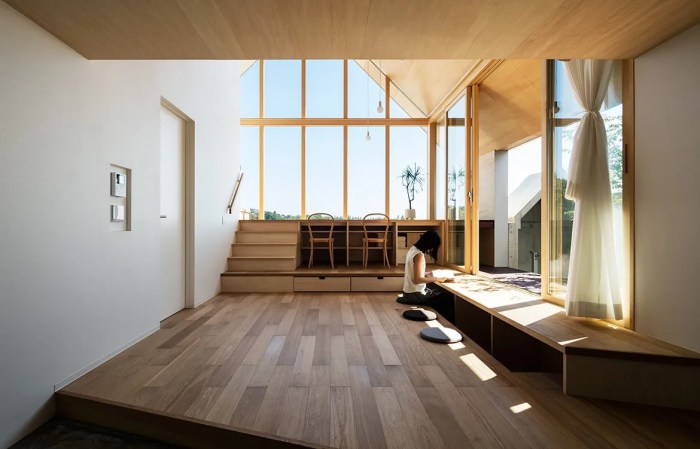
Zen philosophy plays a significant role in shaping interior innovations within Japanese minimalism. By incorporating Zen principles, spaces are designed to evoke a sense of tranquility, simplicity, and harmony.
Concept of 'Ma' (Negative Space)
In Japanese interior design, the concept of 'Ma' refers to the use of negative space to create a sense of balance and openness. By incorporating empty spaces, rooms feel more spacious and peaceful, allowing for a greater appreciation of the elements present.
Significance of 'Ma' in Creating Peaceful Interiors
- ['Ma' allows for a sense of calmness and serenity within a space]
- ['Ma' helps to reduce visual clutter and promote a minimalist aesthetic]
- ['Ma' encourages mindfulness and reflection in the occupants of the space]
Elements Enhancing Zen-Inspired Spaces
Elements like sliding doors, tatami mats, and shoji screens are commonly used in Zen-inspired interiors to enhance the sense of tranquility and simplicity. These traditional Japanese elements contribute to creating a harmonious environment conducive to relaxation and contemplation.
Minimalist Color Schemes and Lighting
Japanese minimalist interiors typically feature a neutral color palette consisting of whites, beiges, grays, and light browns. These colors are chosen to create a sense of calmness, simplicity, and harmony within the space.
Maximizing Natural Light and Minimizing Artificial Lighting
In Japanese-inspired spaces, natural light is a key element in creating a serene atmosphere. Large windows, skylights, and open floor plans are used to maximize the amount of natural light that enters the room. This helps to reduce the need for artificial lighting during the day, enhancing the connection to the outdoors and promoting a feeling of openness.
Use of Indirect Lighting and Paper Lanterns
To complement natural light, indirect lighting is often used in Japanese minimalist interiors. This type of lighting creates a soft, diffused glow that helps to eliminate harsh shadows and create a warm ambiance. Paper lanterns, known as "akari," are a popular choice for adding gentle illumination to a room.
These traditional lanterns are crafted from washi paper and bamboo frames, casting a soft and soothing light that enhances the minimalist aesthetic.
Pendant Lights for a Serene Ambiance
Pendant lights are another common lighting fixture used in Japanese minimalist interiors. These lights are often designed with simple, clean lines and natural materials such as wood or metal. By hanging pendant lights at varying heights, they can create visual interest and a sense of depth in the space.
The warm, ambient light from pendant lights helps to create a tranquil and inviting atmosphere, perfect for relaxation and contemplation.
Multi-Functional Design Solutions
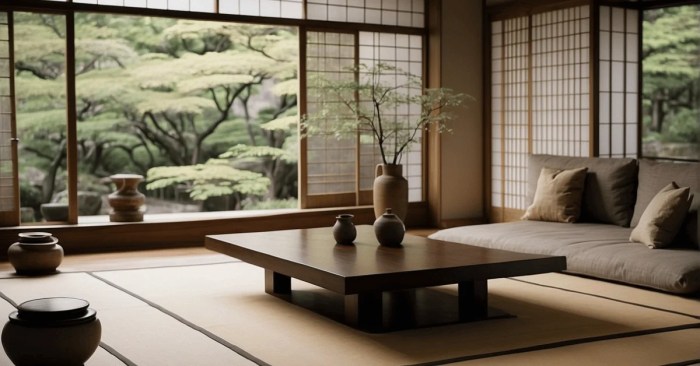
In Japanese minimalism, multi-functional design solutions play a crucial role in optimizing space and enhancing functionality within interiors. By incorporating furniture pieces that serve dual purposes, such as futons, low tables, and storage units, a harmonious balance between form and function can be achieved.
Concept of 'Maebure' (Flexible Space)
The concept of 'Maebure' emphasizes the importance of flexible space within small living areas. This design philosophy allows for easy transformation of spaces to suit different needs and activities. By incorporating sliding doors, folding screens, and modular furniture, the concept of 'Maebure' enables residents to maximize the usability of their living spaces without compromising on aesthetics.
Multi-Functional Furniture Pieces
Innovative Japanese minimalist furniture is designed with versatility in mind. Futons, for example, can serve as both seating and sleeping areas, making them ideal for small living spaces. Low tables with built-in storage compartments help declutter the space, while providing a practical surface for dining or working.
Storage units that double as room dividers not only optimize space but also add visual interest to the interior.
Last Word
In conclusion, Interior Innovations Inspired by Japanese Minimalism offer a unique approach to interior design, blending cultural heritage with modern sensibilities to create spaces that are not just visually stunning but also deeply functional and serene. Explore the art of minimalism through a Japanese lens and discover a world where less truly is more.
FAQ Explained
How does Japanese minimalism influence furniture choices?
Japanese minimalism emphasizes simplicity and functionality, leading to furniture selections that prioritize clean lines, natural materials, and multi-functional designs.
What role does 'Ma' play in creating peaceful interiors?
'Ma', or negative space, is crucial in Japanese minimalism as it allows for a sense of openness and tranquility, promoting a peaceful atmosphere within interior spaces.
How are traditional Japanese furniture styles adapted for modern living spaces?
Traditional Japanese furniture styles are often reimagined with a contemporary twist, incorporating elements of minimalism while retaining the essence of their cultural heritage.
What are some examples of multi-functional design solutions inspired by Japanese minimalism?
Examples include furniture pieces like futons that double as seating or beds, low tables that can be easily stored away, and storage units that serve as both decorative and functional elements in minimalist interiors.