Embark on a journey towards optimal well-being with Data-Driven Lifestyle Decisions for Personal Health Goals. Delve into the realm of using data to make informed choices that positively impact your health and wellness.
Explore the significance of leveraging technology, optimizing nutrition, and monitoring fitness progress through data-driven approaches.
Understanding Data-Driven Lifestyle Decisions
When we talk about data-driven lifestyle decisions in the context of personal health goals, we are referring to the practice of using data and information to guide our choices and behaviors towards achieving optimal health and wellness outcomes.
It is essential to use data to make informed decisions regarding health and wellness because it provides us with valuable insights and evidence-based information that can help us understand our bodies better and tailor our lifestyle choices to meet our specific health goals.
The Importance of Data in Health Decision Making
- Data from fitness trackers can help us monitor our physical activity levels, set achievable goals, and track progress over time.
- Monitoring food intake through apps can provide us with a better understanding of our nutritional habits and help us make healthier food choices.
- Regularly tracking key health metrics such as blood pressure, heart rate, and sleep patterns can alert us to any potential issues and allow for early intervention.
Utilizing Technology for Personal Health Goals
With advancements in technology, individuals now have access to various tools and devices to help them track and analyze their personal health data. These technologies play a crucial role in empowering individuals to make informed decisions about their health goals.
Wearable Devices for Data Collection
Wearable devices such as fitness trackers and smart scales have become increasingly popular for collecting data related to physical activity, sleep patterns, heart rate, and more. These devices provide real-time feedback and insights that can help individuals monitor their progress towards their health goals.
Benefits of Apps vs. Manual Tracking
- Apps: Health and fitness apps offer convenience and automation in tracking various health metrics such as calorie intake, exercise routines, and sleep patterns. They can provide personalized recommendations based on the data collected, making it easier for individuals to stay on track with their health goals.
- Manual Tracking: While manual tracking methods may require more effort, they can also offer a deeper level of customization and control over the data being collected. Some individuals prefer the hands-on approach of manually recording their health metrics to have a more intimate understanding of their progress.
Implementing Data-Driven Approaches in Nutrition
Implementing data-driven approaches in nutrition involves leveraging information to optimize food choices and meal planning for health goals. By utilizing apps or tools to track caloric intake, macronutrients, and food sensitivities, individuals can make more informed decisions about their dietary habits.
Let's explore some tips and insights on how to effectively implement data-driven approaches in nutrition.
Using Apps or Tools to Track Nutrition
- Choose a reputable app or tool that allows you to input and track your daily food intake, including calories, macronutrients (carbohydrates, proteins, fats), and micronutrients.
- Set specific goals within the app, such as target calorie intake, macronutrient ratios, or daily water consumption, to help you stay on track with your nutritional objectives.
- Utilize features like barcode scanning or food databases to easily log your meals and snacks, ensuring accuracy in tracking your nutritional intake.
Interpreting Nutritional Data for Informed Decisions
- Look at the overall nutritional balance of your diet by analyzing the breakdown of macronutrients and micronutrients to identify any deficiencies or excesses.
- Pay attention to food sensitivities or allergies by tracking symptoms and correlating them with specific foods consumed, helping you make adjustments to your diet for improved health outcomes.
- Consult with a nutritionist or dietitian to interpret the data from your tracking apps and develop personalized dietary recommendations based on your nutritional needs and health goals.
Monitoring Fitness Progress with Data
Monitoring fitness progress with data is crucial for individuals looking to achieve their health and wellness goals. By tracking workout intensity, duration, and progress over time, individuals can gain valuable insights into their fitness journey and make informed decisions to improve their overall well-being.
The Role of Data in Setting and Achieving Fitness Goals
- Data allows individuals to set realistic and measurable fitness goals based on their current fitness level and progress.
- Tracking fitness data helps individuals stay accountable and motivated to continue working towards their goals.
- By analyzing trends in their fitness data, individuals can make adjustments to their workout routines for optimal results.
Motivating Individuals to Stay Consistent with Exercise Routines
- Data-driven insights can show individuals their progress and improvements over time, encouraging them to stay consistent with their exercise routines.
- Visual representations of fitness data, such as graphs and charts, can motivate individuals by showcasing their achievements and milestones.
- Setting specific targets based on data analysis can help individuals stay focused and dedicated to their fitness goals.
Closure
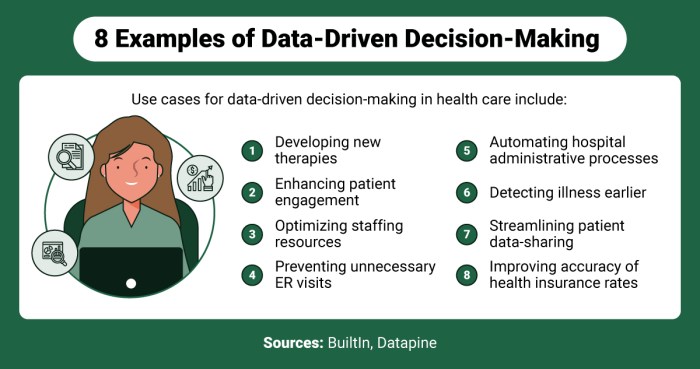
In conclusion, Data-Driven Lifestyle Decisions for Personal Health Goals offer a roadmap to achieving your health aspirations. By utilizing data to tailor your lifestyle choices, you pave the way for a healthier and more fulfilling life.
FAQ Insights
How can data-driven lifestyle decisions benefit my personal health goals?
By analyzing data related to your health and wellness, you can make informed choices that lead to better outcomes and improved overall well-being.
What are some examples of technologies used for tracking personal health data?
Wearable devices like fitness trackers and smart scales are popular tools for collecting and analyzing personal health data.
How can data be utilized to optimize food choices for health goals?
Data can help in tracking caloric intake, macronutrients, and food sensitivities, enabling you to make informed decisions about your dietary habits.
Why is it important to monitor fitness progress with data?
Tracking fitness data allows you to measure workout intensity, duration, and progress, which is crucial for setting and achieving fitness goals effectively.