Exploring the art of maximizing natural light in interior spaces, this guide dives into the importance of this element in creating vibrant and inviting environments. From design considerations to materials and colors, discover how to harness the power of natural light to transform your space.
Importance of Natural Light in Interior Spaces
Natural light plays a crucial role in enhancing the overall atmosphere and functionality of interior spaces. By maximizing natural light, various benefits can be achieved, impacting both the aesthetics and practicality of indoor environments.
Enhanced Mood and Productivity
- Increased exposure to natural light has been linked to improved mood and overall well-being. It can help reduce feelings of stress and anxiety, creating a more positive and uplifting atmosphere within the space.
- Studies have shown that natural light can enhance productivity and focus, making it easier for individuals to concentrate on tasks and stay alert throughout the day.
Aesthetic Appeal and Energy Efficiency
- Natural light can highlight the architectural features of a space, adding depth and dimension to the design. It can also enhance the colors and textures of the interior elements, creating a visually appealing environment.
- Maximizing natural light can reduce the reliance on artificial lighting, leading to energy savings and a more sustainable approach to interior design. This not only benefits the environment but also helps lower utility costs in the long run.
Design Considerations for Maximizing Natural Light
When designing interior spaces, maximizing natural light is essential for creating a bright and welcoming environment. By incorporating certain strategies and considering specific design elements, you can make the most out of natural light to enhance the overall look and feel of a room.
The Role of Windows, Doors, and Skylights
Windows, doors, and skylights play a crucial role in allowing natural light to enter a space. When designing a room, consider the placement and size of windows to maximize the amount of sunlight that filters through. Opt for larger windows or glass doors to let in more light, and consider installing skylights to bring light from above.
These elements not only brighten up the room but also create a connection to the outdoors, making the space feel more open and inviting.
Layout and Furniture Placement
The layout and placement of furniture can significantly impact the distribution of natural light within a room. Avoid blocking windows or sources of natural light with bulky furniture pieces. Opt for light-colored or reflective surfaces that can help bounce light around the room.
Additionally, consider the placement of mirrors strategically to amplify the natural light and create the illusion of a larger space. By carefully arranging furniture and considering the flow of light, you can create a well-lit and visually appealing interior.
Materials and Colors to Enhance Natural Light
When it comes to maximizing natural light in interior spaces, the choice of materials and colors plays a crucial role in enhancing the brightness and overall ambiance of a room.Reflective surfaces such as mirrors, metallic finishes, and glossy paint can help amplify natural light by bouncing it around the room.
These surfaces act as light reflectors, increasing the perceived brightness and making the space feel more open and airy.
Importance of Reflective Surfaces
Using materials like polished metal, glass, and light-colored tiles on surfaces can significantly enhance the natural light in a room. These materials have the ability to bounce light off their surfaces, creating a brighter and more welcoming environment.
- Choose furniture with reflective surfaces like glass or metal to help light bounce around the room.
- Consider incorporating mirrors strategically to reflect natural light and make the space appear larger.
- Opt for light-colored flooring materials like light wood or light-colored tiles to brighten up the room.
Choosing the Right Window Treatments
Window treatments play a crucial role in controlling the amount of natural light that enters a room. Opting for light and sheer fabrics for curtains or blinds allows more sunlight to filter through while still providing privacy when needed.
Pro tip: Consider installing curtains that can be easily drawn back during the day to maximize natural light.
- Sheer curtains in light colors like white or cream can diffuse sunlight and create a soft, glowing effect in the room.
- Avoid heavy drapes or dark-colored curtains that can block out natural light and make the space feel darker.
- Consider installing blinds or shades that can be adjusted to control the amount of light entering the room throughout the day.
Artificial Lighting Complementing Natural Light
Artificial lighting plays a crucial role in interior spaces, especially when used to complement natural light. By strategically integrating artificial lighting, you can enhance the ambiance of a room and ensure consistent illumination throughout the day.
Layering Light Sources for Different Times of the Day
When designing a space to maximize natural light, it's essential to consider how artificial lighting can fill in the gaps during times when natural light is insufficient. By layering different light sources, such as overhead fixtures, task lighting, and accent lighting, you can create a dynamic and well-balanced lighting scheme that adapts to the changing levels of natural light throughout the day.
- Overhead fixtures: These provide general illumination and can be used to mimic the brightness of natural light during the daytime.
- Task lighting: Task lights, such as desk lamps or under-cabinet lights, are essential for focused activities and can be strategically placed to supplement natural light.
- Accent lighting: Accent lights, like wall sconces or picture lights, add depth and visual interest to a space, enhancing the effects of natural light during the evening hours.
Examples of Lighting Fixtures that Work Well with Natural Light
Choosing the right lighting fixtures is key to effectively complementing natural light in interior spaces. Here are some examples of fixtures that work well in conjunction with natural light:
- LED recessed lights: These energy-efficient fixtures can be dimmable and provide a soft, diffused light that complements natural light without overpowering it.
- Pendant lights: Pendant lights can add a decorative touch to a room while offering focused illumination that enhances the natural light coming in through windows.
- Floor lamps: Floor lamps can be positioned strategically to fill in dark corners or supplement natural light during the evening hours.
Maintenance and Cleaning Tips for Windows
Regular maintenance and cleaning of windows are essential to ensure maximum natural light penetration into interior spaces. Clean windows not only allow more light to enter but also improve the overall aesthetics of the room.
Choosing the Right Window Cleaning Products and Tools
- Opt for a mild detergent or window cleaning solution to avoid leaving streaks or residue on the glass.
- Microfiber cloths are ideal for cleaning windows as they are gentle on the glass and effectively remove dirt and grime.
- Consider using a squeegee for larger windows as it helps in achieving a streak-free finish.
- For hard-to-reach areas, invest in a window cleaning tool with an extendable handle to ensure all parts of the window are thoroughly cleaned.
Last Point
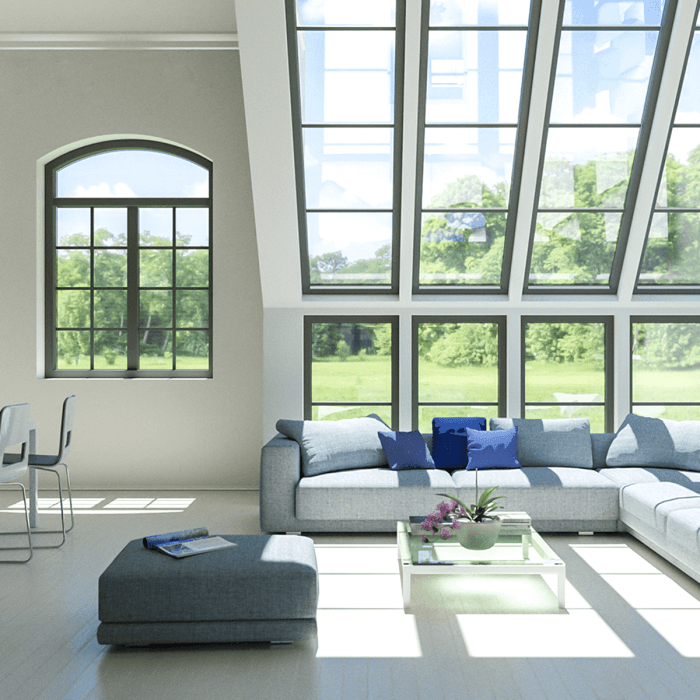
In conclusion, embracing natural light in interior design not only enhances the aesthetic appeal but also uplifts the mood and productivity of occupants. By implementing the strategies Artikeld in this guide, you can create spaces that are not only visually appealing but also conducive to overall well-being.
FAQ Explained
How can I maximize natural light in a room with limited windows?
To maximize natural light in a room with limited windows, consider using light-colored reflective surfaces, strategically placing mirrors to bounce light, and opting for sheer window treatments that allow light to filter through.
Are there specific colors that can help enhance natural light in a space?
Yes, colors like white, light beige, pale yellow, and soft blues can help amplify natural light by reflecting and spreading it throughout the room.
What are some common mistakes to avoid when trying to maximize natural light?
A common mistake is blocking natural light with heavy drapes or furniture placed in front of windows. Ensure that your window treatments are light and sheer and that furniture placement does not hinder the flow of light.